MERCHANDISING PROCESS
By:- Nilanshi Rastogi And Rituparna Das
RESEARCH AND IDEA GENERATION
Idea generation and selection are fundamental activity in innovation. Firstly we find the process of idea generation, the importance of problem recognizing and many decision in the organising the effort, then we focus on the different type of information that can be used in that decision. Finally we conclude in emphasis the idea generation and selection. So we have done a research work on winter collection and find out some interesting themes from where we have taken our inspiration. Some of the examples are: Igloo- It is also known as snow house or snow hut. It is a type of shelter built of snow, Typically built when the snow can be easily compacted. X-mas tree- It is a decorated tree usually on evergreen conifer such as spruce, pine or fir or an artificial tree of an similar appearance. Snowball- It is a spherical object made from snow usually created by scooping snow with the hands and compacting it into a roughly fist sized ball.
INITIAL CONCEPT
A good design begins with a good design concept. A design initial concept is the idea behind the design. It is how a person plan on solving the design problem. It’s the underlying logic, thinking and reasoning for how a person will design that concept will lead to the choice in colour and type. Every design decisions that a person make will fall back on the concept for direction. The design concept became the frame work of all the design decisions So our design concept is based on winter collection so we have taken snowfall. A snow refer to forms of ice crystals that precipitate from the atmosphere and undergo changes of the earth surface and snowfall means a fall of snow specifically the amount of snow that falls in a single storm. It is an important part of winter, it attracts person. It is visually appealing and it has a beautiful soft and soothing texture. d compacting it into a roughly fist sized ball.
MOOD BOARD
RANGE PLANNING
A range plan is an overview of a collection with all of the design and financial parameters set out. The plan outlines the specifics of the collection; from how many styles the person will have, to what fabrics and color ways will be used. It is used before the person dive into large scale production. This is incredibly useful for a person to follow as a designer but most importantly it gives potential buyers a clear understanding of your vision.
Range plans usually include:
• Total number of garments
• Illustrations or flat drawings of every garment
• Proportion of different garments types(top/bottoms/dresses)
• Specific garment styles
• Different fabrics and color ways for each garment
• Cost price per garment • Selling price per garment
• Order quantities per style
• Sizes
RANGES
RANGE AND DESIGN SIGN OFF
A range refers to thinks in a number of different materials of same general kind. Design sign off typically Implies that the design is final and no further revisions are possible. Design approval and sign off can be useful milestones for the business. They can help in keeping the project on track and moving forward, making sure that a person is happy with the development and the delivery. However they can also be one of the most challenging elements of the design process. The development process may contain several sign off points where the person will be expected to approve changes, before the designer can continue the process. Having a chance to agree on certain design assumptions or details can result in faster development and ensure that your project stay in scope and on budget.
DISTRIBUTION TO STORE
Distribution is concerned with getting a product or service to the right people, at the right time, taking into consideration the need for profit and efficiency. Otherwise described as “the action of sharing something out among a number of recipients.” When a customer purchases a product or service, they may have brought it directly from the business or through a retailer or wholesaler. These ways of purchasing are known as distribution channels
• Retailers
• Wholesalers
• Agents One of the best ways to promote your clothing line is to secure mainstream distribution through major stores. These stores typically have chains across the nation; they employ sophisticated marketing techniques to sell their products, and those of the clothing designers they carry. There is a variety of ways to get noticed by buying agents in major stores. For best results, design a complete clothing line, produce samples, and identify a garment manufacturing company prior to attempting to get your clothing line distributed to major stores.
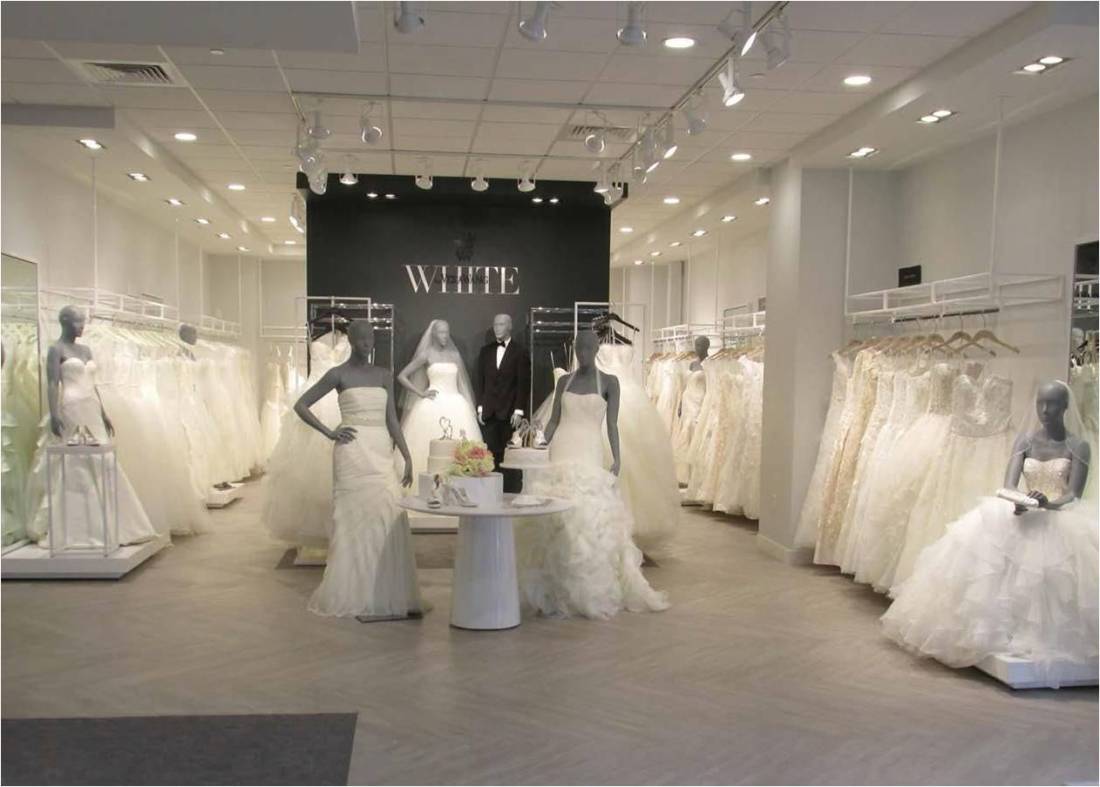
VISUAL MERCHANDISING
SALES AND CUSTOMER’S EXPERIENCES
Understanding the customer experience is one of today’s hottest topics and for good reason. Companies that become truly customer-centric (given that we focus on sales and marketing, we prefer the phrase buyer-centric) tend to outperform their peers on a number of fronts, including faster revenue growth, higher conversion rates, shorter buying cycles, and lower churn. Of course, the first step in becoming a buyer-centric organization is to understand the buying experience. The buyer-responsive sales process is predicated on understanding the buying process. There are a number of techniques you can use to truly incorporate the buyer into the sales process.
• A person should develop a detailed buying process map that shows the key activities, objectives, and conversions that a buyer engages in as they make a purchase.
• With a buying map in hand, a person can now overlay your sales process on to the buying process map. For example, a person might decide that your sales qualification phase should overlay with when the buyer is trying to understand their requirements.
• The sales process should incorporate the key activities that sales will use to engage the buyer. The idea here is to design these activities to provide the buyer with what they want when they want it




 Fashioninsta Nilanshi